MPCC Nursing Program Leads Nebraska with Top Pass Rates
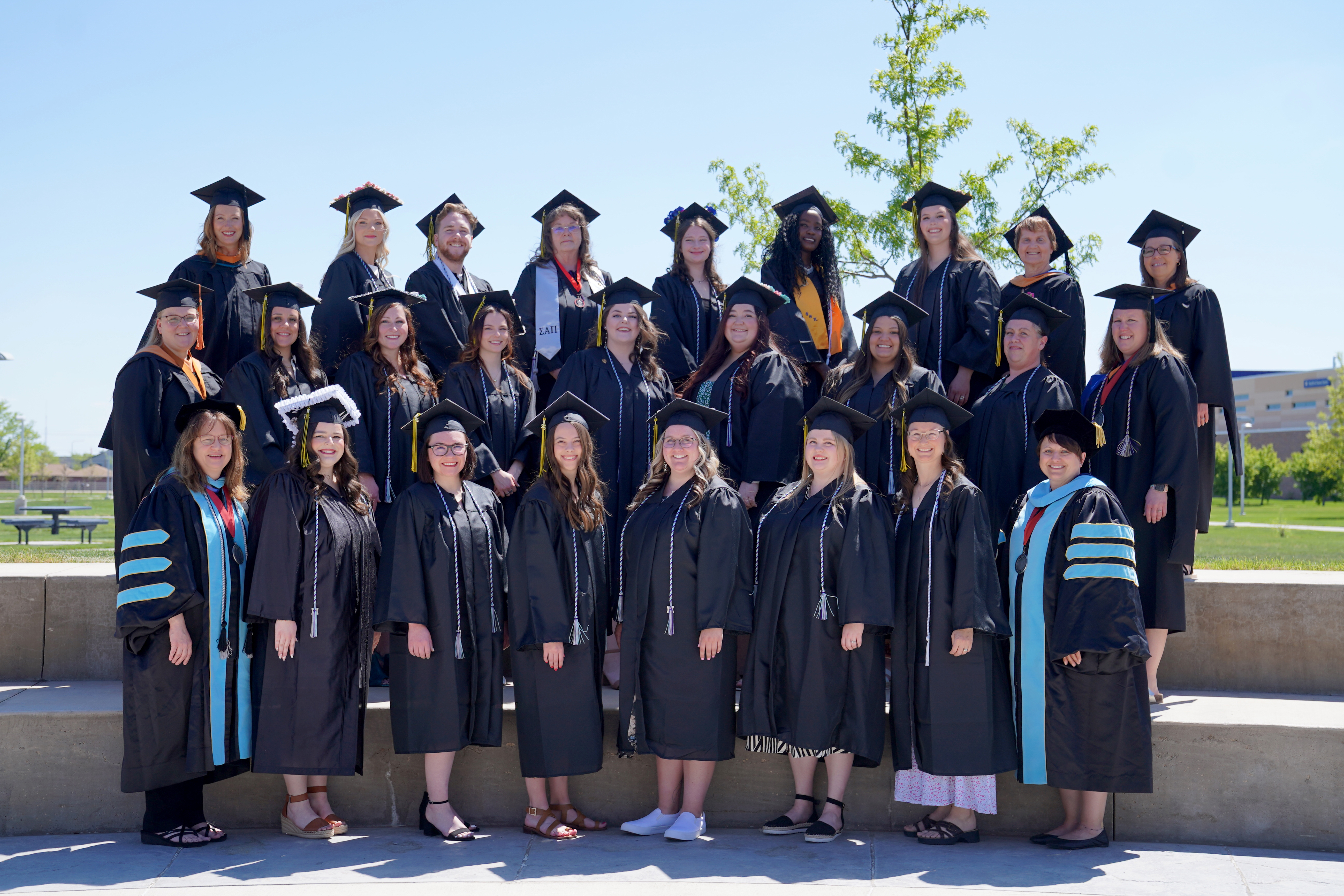
Mid-Plains Community College nursing programs lead Nebraska with the highest ADN scores in the state and continued impressive NCLEX pass rates.
According to MPCC Director of Nursing Dr. Kathy Harrison, the associate degree nursing (ADN) program achieved a 95% pass rate in 2025, the highest among associate degree nursing programs in Nebraska. The result follows back-to-back 100% pass rates in 2023 and 2024, highlighting sustained excellence.
“We’ve been above the national pass rate for several years now and seeing our students continue to succeed at this level is incredibly rewarding,” Harrison said.
MPCC’s Licensed Practical Nursing (LPN) program has also maintained exceptional performance, achieving a 100% pass rate for the past three consecutive years and four out of the last five years.
“These results make our program more attractive to prospective students,” Harrison said. “They want to know that when they complete our program, they’ll be prepared to pass the NCLEX on their first attempt and begin their careers.”
Harrison attributes the program’s success to several strategic improvements implemented in recent years, including enhanced simulation training, expanded clinical partnerships through a nursing preceptor course and the addition of a structured NCLEX preparation course.
Students now participate in more realistic, team-based simulation experiences designed to mirror real-world healthcare settings. The program has also expanded its preceptorship opportunities, allowing students to work one-on-one with registered nurses across healthcare facilities in communities including North Platte, McCook, Valentine, Ogallala, Broken Bow, Lexington and Gothenburg.
“One of the biggest differences we’ve seen is with our preceptorships,” Harrison said. “Students are getting that one-on-one experience with a nurse, and it’s made a significant impact on their confidence and readiness.”
In addition, students complete multiple mock NCLEX exams and receive targeted remediation to strengthen areas of need before graduation.
Harrison also emphasized the role of faculty collaboration and student commitment in the program’s turnaround.
“Our faculty work closely together and are deeply committed to supporting students,” she said. “At the same time, our students are taking the process more seriously and putting in the work to be successful.”
A graduate of MPCC’s nursing program herself, Harrison said the program’s continued success is especially meaningful.
“I take a lot of pride in this program because it’s where I started my career,” she said. “To now be part of its growth and success means a lot to me.”
MPCC leaders say the program’s improvements come after challenges faced during the COVID-19 pandemic, when nursing programs nationwide saw declines in pass rates.
“Turning things around has taken a collective effort,” Harrison said. “It’s a reflection of our faculty, our students and the support we’ve received from the Board of Governors and college administration.”
With continued investment in technology, simulation and clinical partnerships, MPCC aims to maintain its strong outcomes and prepare future nurses for success in the workforce.

MPCC Rodeo Teams ride to two top-five finishes to close fall season
The Mid-Plains Community College Rodeo Teams closed out their fall season at Iowa Central Community College last weekend, riding away with two top five team finishes. The MPCC men claimed second place overall, while the women finished fourth.
- Haskin named NPCC Business Student of the Month
- MPCC Rodeo Team to Host Breakaway Roping Fundraiser Nov. 1
- MPCC to Host Free Trunk-or-Treat Events Oct. 29
- MPCC Rodeo Teams ride to two top-five finishes to close fall season
- NPCC Music Department to host Music Skills Day Oct. 26
