MCC Science Symposium features research by Jackson Dellevoet
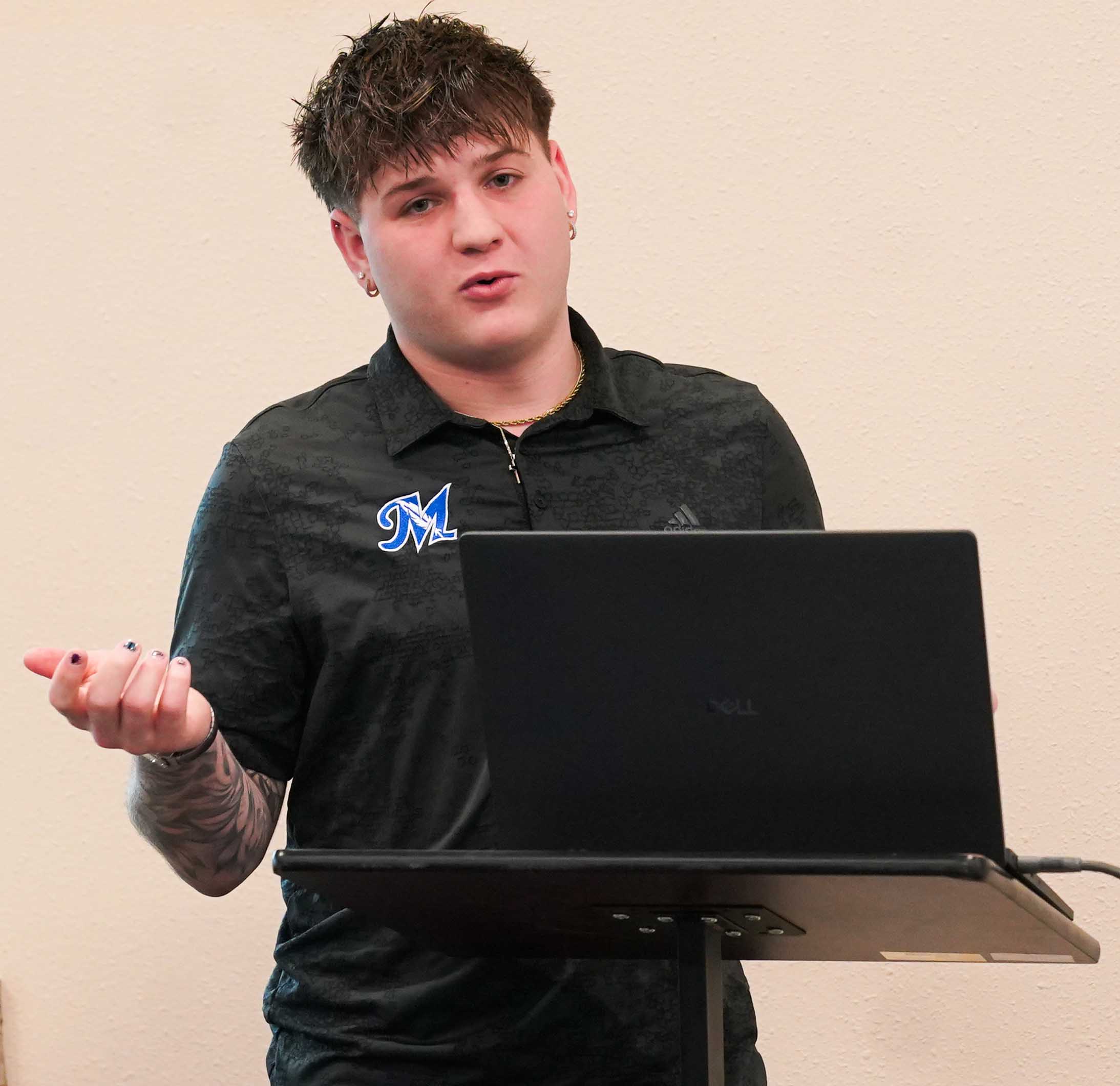
McCook Community College sophomore Jackson Dellevoet presented original research Wednesday in the Student Union at MCC’s ninth Science Symposium. His presentation centered on “Diatomaceous Earth and its Effects on Deterring Terrestrial Isopods from Damaging Soybean Sprouts.”
The research class, BIOS 2500, is a one-semester experience in being a scientist. Dellevoet’s research was part of a research class developed in 2014 by MCC biology instructor Rob Bogardus designed to allow biology students the chance to create and conduct original research, and to create their own experiments to answer questions that have never been tested before. It also gives students interested in a career in science the opportunity for hands-on research in a variety of fields.
Dellevoet said his research was an extension of findings presented at last year’s symposium by Theresa Bair working with the University of Nebraska-Lincoln Extension Office. That presentation was brought to attention bya 2024 UNL CropWatch article outlining “Pillbugs causing injury to Soybean Crops in Nebraska.”
Dellevoet’s semester-long research involved exposing terrestrial isopods – also known as pillbugs or roly polies – to varying amounts of diatomaceous earth (DE), which is a more natural solution to controlling crop damage done by chewing. His research was set up in the research lab in Barnett Hall using pillbugs collected in Barnett Park and placing them in test containers with soybean seeds and diatomaceous earth.
His research determined that the varying amounts did not have any significant effect in limiting the crop damage. Jackson noted that these results only apply to his small-scale experiment, and that a larger study or trying higher concentrations of DE may be more effective.
In addition, to Dellevoet’s presentation Bogardus presented “Physical Variation and Niche Partitioning in the American Kestrel.”
His research was in collaboration with several other scientists who studied 267 specimens in museums and used a process called morphometrics to study the beak size and shape of various male and female Kestrels from across their home range. They determined that Caribbean Island Kestrels did have different size and shapes beaks than mainland Kestrels; that Island Kestrels from larger islands had different size and beak shape and that Island Kestrels of females had different size and shaped beaks. These beak differences were closely correlated with the types of available prey in different regions.
BIOS 2500, is normally offered in the fall semester. MCC has devoted a designated research space in the former greenhouse on the west side of Barnett Hall, to house the research equipment as well as the experiments.
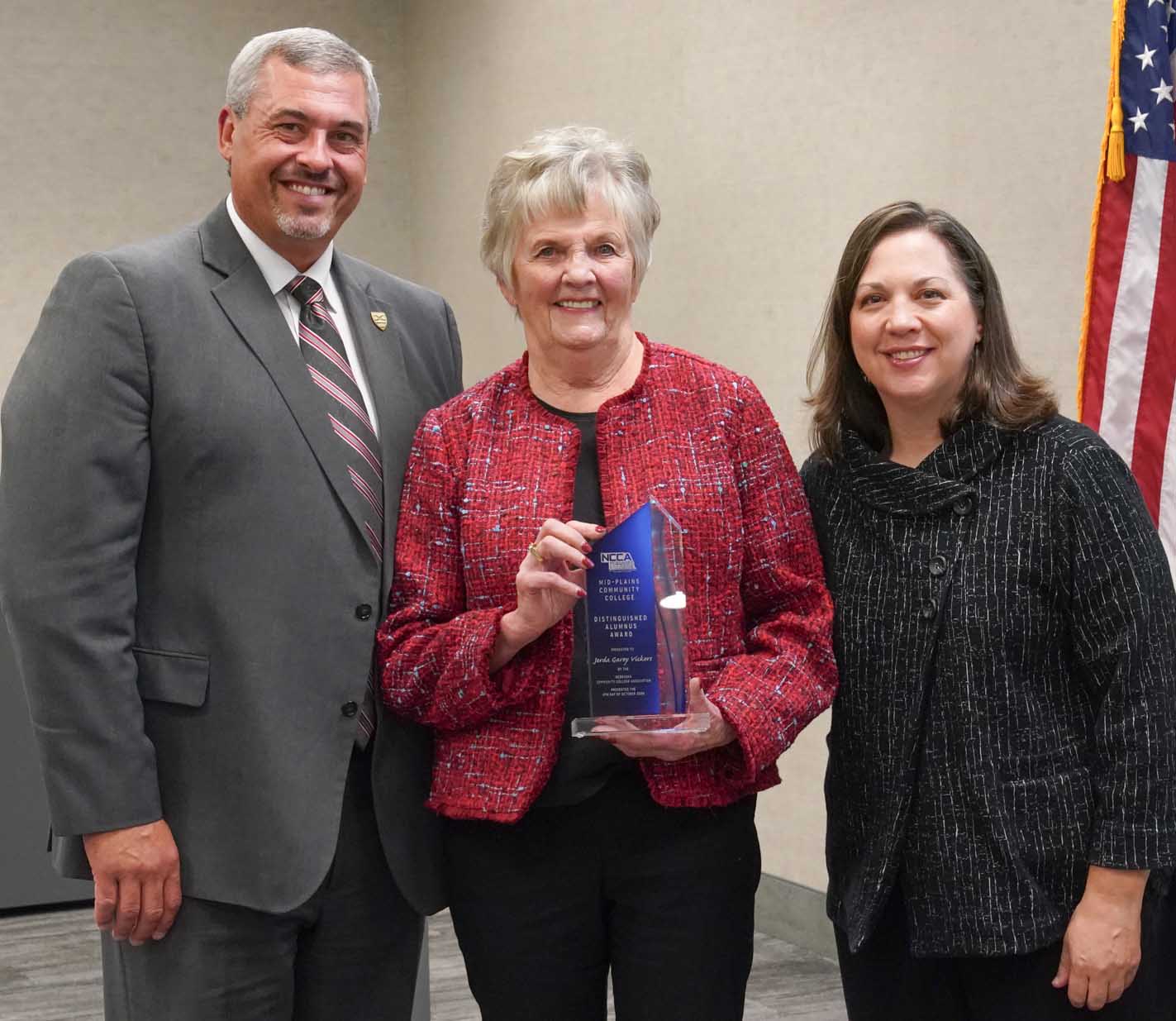
Jerda Garey Vickers named MPCC Distinguished Alumnus
Longtime MJC and MCC educator Jerda Garey Vickers has been named the MPCC Distinguished Alumnus for 2026.
- PTK announces fall Trash-a-thon
- MPCC Men’s rodeo team dominates at Mystic Stampede
- Jake Elmshaeuser Named MPCC Faculty Member of the Year
- Gail Knott named MPCC Administrator of the Year
- MPCC recognizes employees for full-time service
